
Showing all 4 results
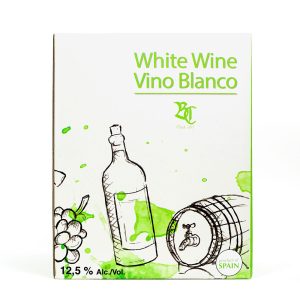
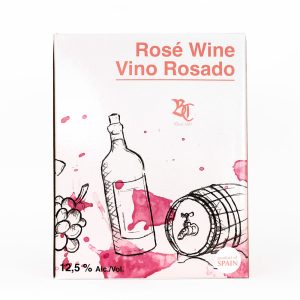
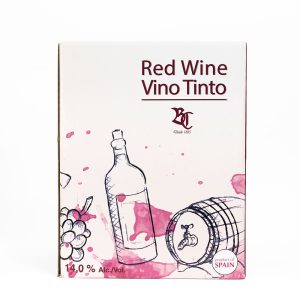
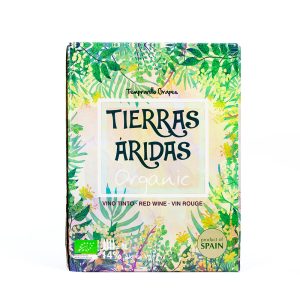
Debunking Myths About the Bag-in-Box Format
For decades, the Bag-in-Box (BIB) format was unfairly relegated to low-quality table wines—a misconception that is being shattered today by market reality and sustainability demands. In our cellar, we have embraced this format not as a cheap alternative, but as a superior technological solution for the everyday consumption of excellently crafted wines. The Bag-in-Box is the smart answer to a common need: enjoying a single glass of wine each day without the rest of the bottle spoiling upon contact with the air.
Vacuum Engineering for Optimal Preservation
The engineering behind the BIB is fascinating: it consists of a multi-layer bag, often featuring aluminum barriers or special polymers, that is completely impermeable to oxygen. This bag is housed inside a cardboard box that provides structure and protection from light. The most crucial component is its special valve tap: as the wine is poured, the bag contracts and collapses in on itself due to the vacuum effect, preventing even a single bubble of air from entering. This means the wine maintains its organoleptic properties—its aroma, freshness, and structure—for weeks or even months after the first glass.
Ecological Advantages and the Democratization of Wine
From an ecological standpoint, the Bag-in-Box is unbeatable; its carbon footprint is drastically lower than that of glass. The cardboard is 100% recyclable, and the minimal weight of the packaging optimizes transport and storage. For the consumer, this translates into direct savings by eliminating the cost of glass and cork, providing access to surprisingly high-quality wines at a fraction of their bottled price. In our BIB category, we select vibrant young reds, fruity whites, and fresh rosés, making it the ideal choice for gatherings or for enjoying a glass at the end of the day. It is an honest format that prioritizes the contents and represents the future of efficient wine distribution.